
As you may already know, you are in the space where I am sharing the 6 steps I’ve been following to become a UGC creator. At the beginning, my UGC journey was a little overwhelming, so I decided to simplify it and create this UGC HUB. Here, I pulled together the exact steps I’ve personally been following into one clear, beginner-friendly blueprint. So, let’s begin!
If you’re wondering where to begin your journey to become a UGC creator, here’s what I’ve learned: the very first step is understanding what UGC actually is.
Before starting your UGC journey, creating content and working with brands, you need to have a clear grasp of what user-generated content (UGC) means, how it differs from traditional content creation, and why brands are investing heavily in UGC creators. So, let’s break it all down step by step.
What Is UGC?
UGC means content created by real people instead of brands.
Think quick product demos, first-impression videos, everyday reviews, simple unboxings. The kind of content someone would film at home without overthinking it.
It works because you see a real person interacting with a real product. No big setup. No massive film production. Just a normal moment you’d actually trust.
What a UGC Creator Actually Does
A UGC creator makes this type of content for brands so they can use it on their own channels.
You don’t need followers for this.
You don’t need to be an influencer.
Brands are paying for your creativity, not your audience.
If you know how to show a product in a clear, natural way — that’s the job. Brands want content that looks like something a customer would film on an ordinary day, not something created in a studio.
UGC Creator vs. Content Creator
These two roles feel similar from the outside, but the difference is bigger than people think.
If you post on your own channels and build an audience, you’re a content creator.
If you’re making content that brands post on their channels, you’re a UGC creator.
That’s the whole difference – where the content lives.
You can be both, but they are two different paths with different goals.
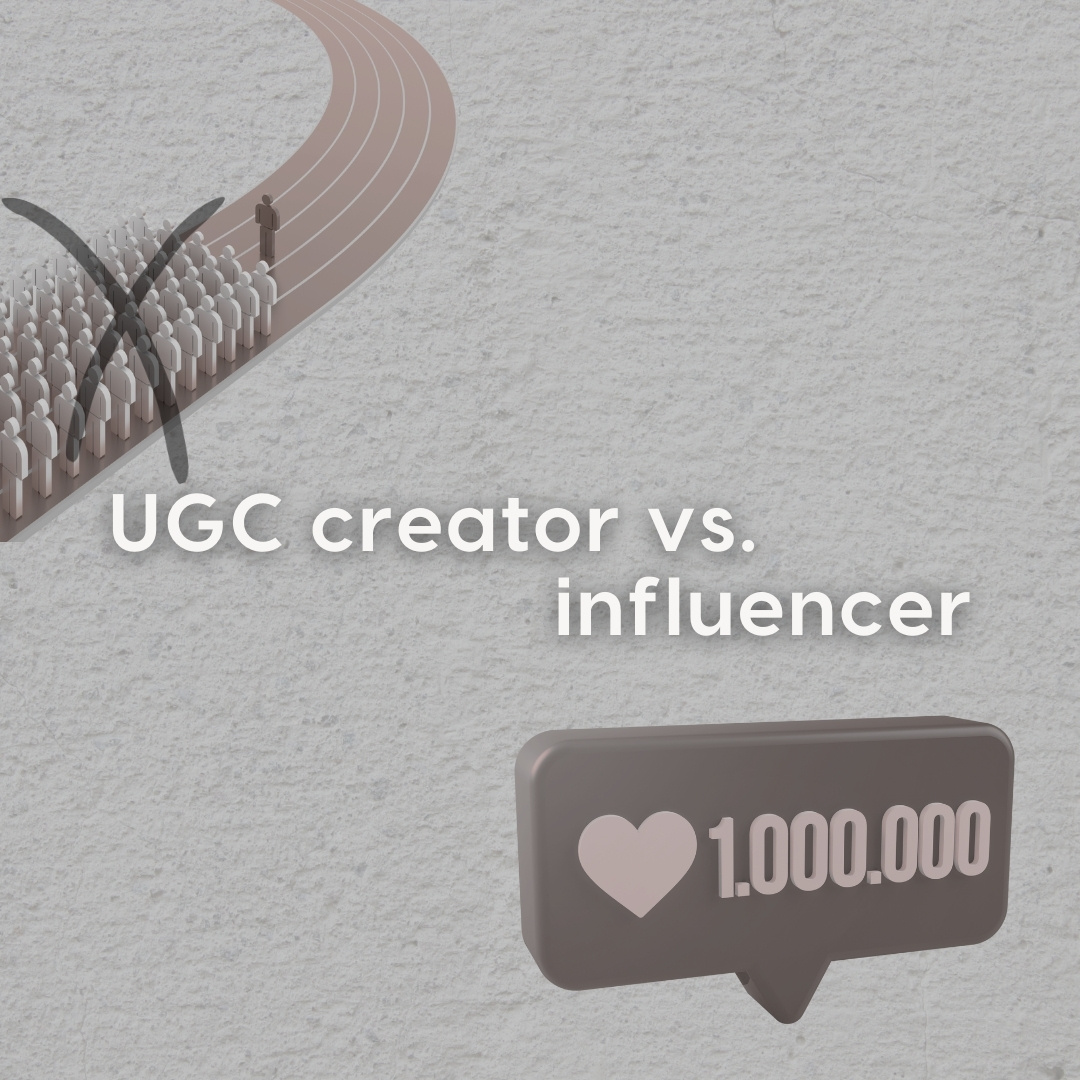
UGC Creator vs. Influencer
Influencers get paid to promote products to their audience. Their value is their reach.
A UGC creator gets paid to make content that brands use for organic posts, ads, product pages, and everything in between. Your reach doesn’t matter here — the content you create for them does.
That’s exactly why so many people choose UGC. You can start with zero followers and still land paid projects because the value is in the content, not your audience size.
Why Brands Hire UGC Creators
More and more brands are realising that polished ads don’t hit the way they used to.
People scroll past anything that feels too perfect. But a quick video filmed in someone’s kitchen? Somehow, grabs attention the most.
That’s why brands are leaning into UGC. It feels real. It looks like something you’d see from a friend. And people trust that more than a glossy campaign.
Here’s what makes UGC creators so valuable to brands:
• It feels human and relatable, so people actually pay attention.
• It’s cheaper than hiring a full production team.
• Social platforms boost content that looks natural, not salesy.
• Brands get a mix of styles and perspectives instead of one in-house look.
UGC is basically the modern version of word-of-mouth, and brands can’t get enough of it. That’s why you should consider becoming a UGC creator too.
Benefits of Working as a UGC Creator
If you’re someone who enjoys filming, experimenting, and capturing everyday moments, UGC is a pretty fun space to be in.
You don’t need a big audience.
You control your schedule.
And you get paid to be creative.
Some creators work with a couple of brands a month, others build it into a full-time career. Your income grows with experience and the number of projects you take on.
And as you go, you’ll naturally gravitate toward brands you genuinely enjoy — which makes the work feel a lot easier.
How UGC Collabs Usually Work
The actual workflow is pretty straightforward.
When you are an established UGC creator, a brand reaches out to you, but when you become a UGC creator and you are just a beginner, it’s best that you send your pitch to them.
Once you connect, you agree on deliverables and pricing — for example, three short videos for €600.
You sign the contract.
They send you a brief with what they want. It can contain a script or you script, depending on what they want.
You film, edit, and deliver the content.
You get paid.
They post it on their channels.
No pressure to post anything on your own accounts.
No need to manage an audience (if you don’t want to!)
Your job is just to deliver the agreed content.
Do You Need An Audience?
No.
This is one of the main reasons UGC became popular in the first place.
Brands aren’t paying for your follower count — they’re paying for your content, your creativity, your style, and your ability to show their product in a way people actually care about.
If you can do that, you’re good.
What Do You Need to Become a UGC Content Creator?
You don’t need a studio to become a UGC creator. You don’t need expensive gear. Most creators start with what they already have.
- A phone with a decent camera (iPhone or Android works great!)
- A simple editing app like (CapCut or VN)
- Good lighting (a ring light or natural light – a window works just fine)
- A quiet space to film
As you start landing paid projects, you can upgrade things slowly, but you don’t need to buy anything fancy before you begin.

How Much Can You Earn as a UGC Creator?
Rates vary a lot, but these ranges reflect what many creators charge across Europe and the US right now:
• Beginners: around €50–€150 per video
• Mid-level creators: around €150–€500 per video
• Experienced creators: €500–€1000+ per video
Some creators earn €5,000–€10,000 per month, but that usually happens when they’re working with multiple brands, offering bundles, add-ons, and usage rights.
When you become a UGC creator, your income depends on how many projects you take, how strong your portfolio is, your communication skills, and how well you negotiate usage and licensing.
Additional Ways UGC Creators Can Make Money:
UGC doesn’t lock you into one income stream. You can mix and match based on what feels right for you and your goals. Here are the real, practical ways creators earn today:
Paid Content for Brands
This is the core of UGC work. A brand pays you to create content they’ll use on their channels. It’s usually short videos, photos, or both. The rate depends on your experience, the type of content, revisions, and usage rights.
Paid Usage Rights and Whitelisting
Brands often pay extra to run your content as ads. Usage rights are one of the biggest upsells in UGC. Some creators make more from usage rights than from the content itself.
Retainers and Long-Term Partnerships
Some brands prefer to work with the same creator every month. A retainer is a set number of videos per month for a fixed fee. It gives predictable income and stability for both sides.
Brand Ambassadorships
If a brand trusts your style, they might bring you on as an ambassador. It’s a long-term partnership where you create content consistently. This usually pays more than one-off projects.
Affiliate Marketing
If you like recommending products, affiliate links can add extra income. It’s not usually a huge revenue source for UGC creators unless you also post on your own channels or blogs, but it can bring small, steady commissions.
Ad Revenue (Only If You Post on Your Own Platforms)
UGC itself doesn’t require an audience, but if you’re also building a YouTube channel, TikTok, or Instagram, you can earn through platform monetization. This takes time and usually isn’t the first revenue stream UGC creators rely on.
Digital Products
Templates, guides, lightroom presets, or simple e-books can bring passive income once you’re more established. Many creators add this later, not at the start.
Courses, Workshops, or Consulting
If you’ve developed a specific skill—editing, scripting, lighting, pitching —or have become a UGC creator who can help and teach others, you can offer workshops, courses, consulting, subscriptions to your channels, or coaching sessions. This becomes relevant once you’ve built experience and demand.
Creator Events or Speaking
Some creators get invited to speak at events, run workshops, retreats for other creators or brands, or join panels. It’s not super common for beginners, but it does happen once your work gets attention.
By mixing several streams, your income becomes more stable and less dependent on one brand or platform.

Is the Market Too Saturated?
People say this every year, and every year, brands increase their UGC budgets.
There’s space because brands constantly need a mix of faces, styles, and niches. Aesthetic travel creators, chaotic creators, minimalists, high-energy storytellers, calm-tone creators, or loud ones—brands use all of them.
UGC isn’t tied to social platforms only. Brands need content for:
• ads
• websites
• email campaigns
• product pages
• retailer listings
• organic social
…you name it! As long as brands need content, there’s room for new creators.
The real competition isn’t other creators. It’s low-effort content. If your work is engaging, intentional, and consistent, you stand out immediately.
So, How to Become a UGC Creator?
You can become a UGC creator in 6 easy steps! First, you need to understand how UGC works and learn the foundation, and you just did that! Now you know what UGC is, how creators earn, how brands hire, and what the current landscape looks like.
Your next step is to build your online presence and set up as a UGC creator.
Step 2 covers exactly that—choosing your content style, defining your niche, and setting up the basics so brands can actually find you.
You don’t need a big audience. You need a clear offering, consistent practice, and a willingness to get better with each project.
Need a little help to organize your days/ weeks/ months? Here is my favorite tool to stay productive and smash my goals!
Want to learn more about UGC or need advice on bookkeeping already? I got you covered!