As you may already know, you are in the space where I am sharing the 6 steps I’ve been following to become a UGC creator. At the beginning, my UGC journey was a little overwhelming, so I decided to simplify it and create this UGC HUB. Here, I pulled together the exact steps I’ve personally been following into one clear, beginner-friendly blueprint. So, let’s go!
Once you understand what UGC actually is, the next step is getting yourself set up in a simple, intentional way.
You don’t need a full brand identity or a perfect aesthetic from day one. You just need clarity around the kind of content you want to make and the direction you want to grow in. This step is all about building that foundation.
Choosing The Type Of Content You Want To Create
UGC covers so many formats, so start by noticing what you naturally feel drawn to. Think about the content you actually enjoy making. For example, I’m not big on talking to the camera, so I stick to visual storytelling and lifestyle-led clips that feel calm and real.
You’re not locking yourself into anything here. You’re just giving yourself a starting point.
Right now, the most in-demand UGC content styles look a little different from what used to be popular a few years ago. Brands want content that feels real, simple, and quick to watch. These are the formats creators are booking the most today:
- Short lifestyle-led product demos
- Natural, handheld ‘try-on’ or ‘use-with-me’ clips
- POV routines (morning, night, gym, travel, wellness)
- Realistic problem-solution videos filmed in everyday settings
- Aesthetic montages with light movement
- Before-and-after or expectation-vs-reality moments
- Snappy tutorial-style videos filmed in 10–20 seconds
- Silent ASMR-style product interactions
- Raw, unfiltered walkthroughs of experiences (Airbnbs, services, locations)
You don’t need to choose just one format right now. Test a few and see what feels natural. Notice what you enjoy, what comes easy, and what you’d happily create again.
Most creators figure out their style by doing, not by planning the perfect niche in advance.
Finding Your Niche, Skills, And Passion
A lot of creators today say you don’t need a niche. I don’t necessarily agree with that, because I believe that having a clear niche makes it easier for brands to understand what you do and whether you’re the right fit. It also keeps your content focused, and yes, it helps with SEO (but we’ll chat about SEO later).
When trying to niche down, think about what excites you and what comes naturally to you. Maybe you love skincare or wellness. Maybe you’re into fitness, home essentials, or tech. Or maybe your strength is in the format itself — maybe you’re great on camera, or maybe your thing is clean edits, flatlays, or calm lifestyle videos.
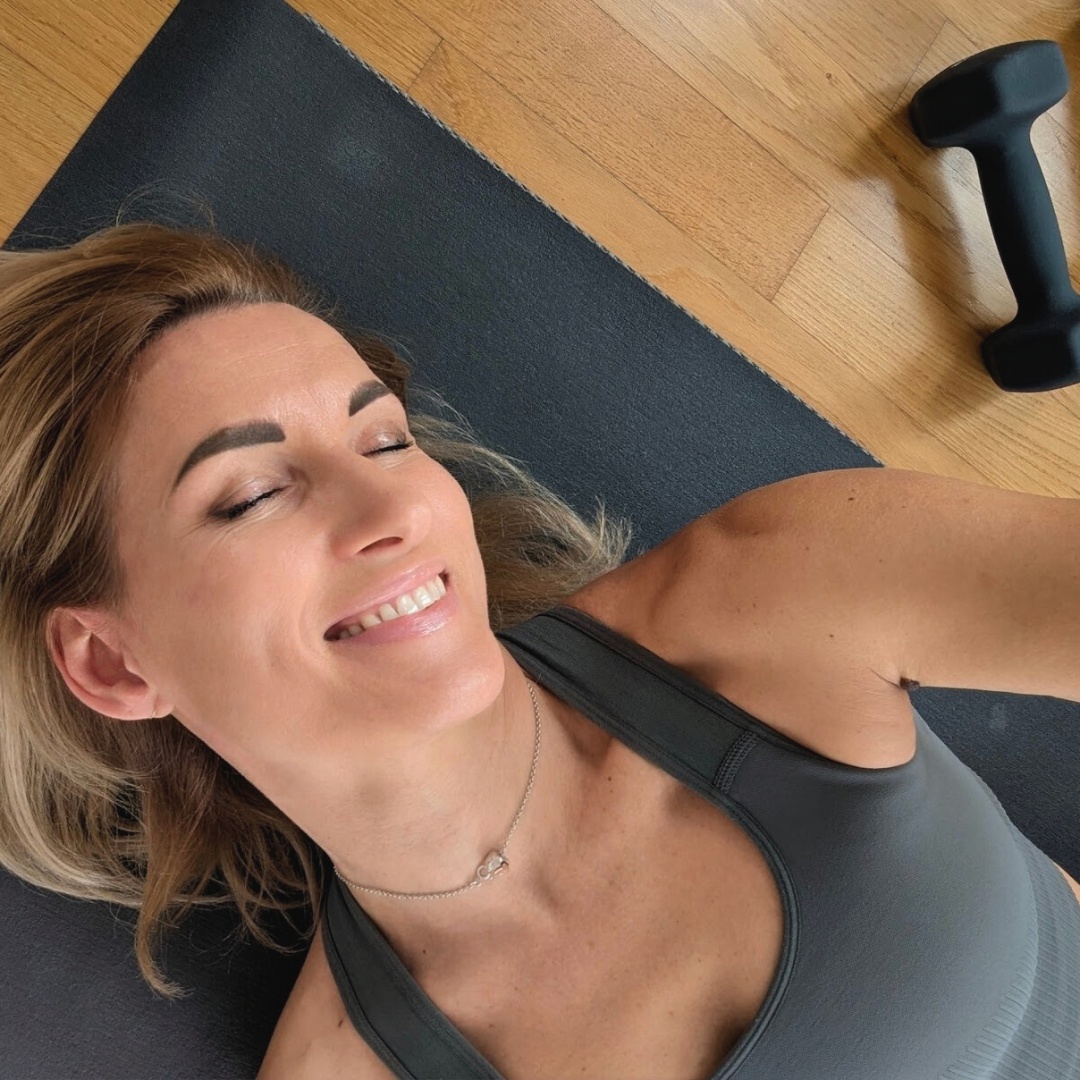
For me, I’ve always been drawn to wellness and a mindful approach to daily life, and I know for sure I will be drawn to it forever (pssst. hence my brand’s name – Mindful UGC), so creating content around intentional living felt like the most natural direction.
Your niche isn’t about locking yourself into a tiny box for good. It’s simply giving yourself a lane that feels true to you. It can evolve over time. When your niche reflects your interests and strengths, your work becomes easier to create and easier to pitch.
Ask yourself a few simple questions:
- What topics do you genuinely enjoy?
- What skills feel effortless for you? (but that’s not a deal breaker – skills can be learned too)
- Which brands would you actually want to work with?
Once you know your lane, everything becomes clearer. Brands can immediately see where you fit, and you’ll attract projects that match your style, rather than trying to force yourself into something that doesn’t feel like you.
Remember: Your niche isn’t set in stone. Let it evolve as you explore.
Getting The Right Equipment (Keep It Simple)
You don’t need a studio or a full tech kit to start creating. Your phone and daylight already take you far. Most beginners overcomplicate this part, but the basics are enough to make clean, confident content.
- Phone with a decent camera (iPhone or Android works great!)
- A small tripod keeps your shots steady
- A ring light or softbox helps when the weather looks grumpy
- Editing apps like CapCut, InShot, or VN make it easy to cut quick videos without feeling overwhelmed
You don’t need everything right away. Start with what you have and upgrade only when you feel ready.
Understanding Your Target Audience
Even though UGC is created for brands, you still need to think about the people who will actually watch it. Brands want content that speaks to their ideal customers, not just something pretty on a feed. So keep the end consumer in mind every time you create.
Ask yourself who would genuinely engage with your video. What questions do they have? What problem does the product solve for them? How can you show it in a way that feels relevant to their everyday life?
Your job isn’t to think like a marketer. You’re creating from the perspective of a consumer who’s just sharing their experience. That’s exactly why UGC works — it feels grounded and relatable, and it mirrors the way real people talk about products they actually use.
A few questions to guide you:
- Who would watch this content?
- What situation are they in when this product becomes useful?
- What would make this feel like a real moment instead of an ad?
When you understand the audience a brand is trying to reach, your content connects faster, performs better, and feels more real — and those are the qualities brands hire UGC creators for.
Creating A Few Test Videos Before You Set Up
You don’t need a website, a portfolio, or a polished name to start. The easiest first step is picking up a product you already own and making something simple with it. Film a quick skincare review, record a coffee moment, or capture a small part of your morning routine. Keep it natural and low pressure.
This stage matters more than people think. In fact, this might be the very first step, now that I think… as it helps you get a feel for creating, it might clarify what style you prefer, what feels natural on film, and furthermore! – whether this creative path is something you actually enjoy at all. You’ll learn far more by creating a few test videos than by spending weeks planning the perfect setup.
I, for example, tried to make a few videos on the wellness products I used and the local fitness classes I attended. But here are some easy ideas that anyone could adapt:
- Film a short review of a product you already use
- Capture a small lifestyle moment, like making your morning coffee
- Record a simple routine featuring items you genuinely love
This hands-on practice gives you clarity fast. No guesswork. No overthinking. Just creating something real and seeing how it feels.
Building Your Brand And UGC Identity
Once you feel good about your niche and the kind of content you want to create, it’s a great time to build your creator identity. This part doesn’t need to be complicated. You’re simply giving yourself a clear name and a clear vibe so brands can understand who you are at a glance.
Choosing A Name
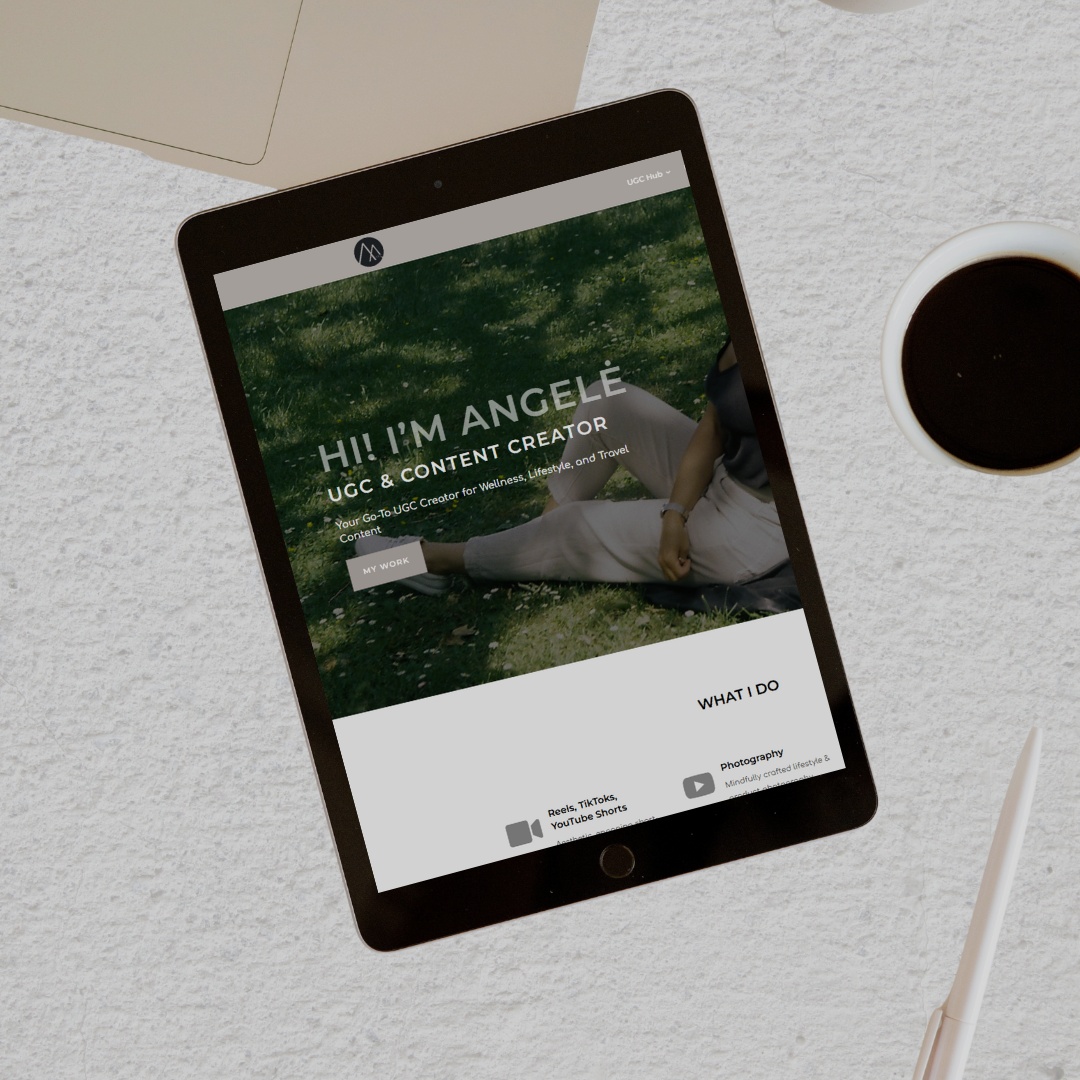
After you’ve created a few test videos, you’ll already have a sense of your direction. From here, choose a creator name that feels like you. Some people use their first or full name. Others prefer a short UGC-specific name that matches their aesthetic.
Think about the style you want your content to have. Playful, clean, high-end, cozy, soft, lifestyle-focused, product-focused — whatever feels natural to you.
When I started, I knew my content would revolve around mindfulness and intentionality. My first idea was something long and descriptive, like “Mindful and Intentional UGC,” but long names rarely work. Short and memorable always wins. That’s how I settled on “Mindful UGC” — simple, clear, and aligned with the style I wanted to create.
Whether you use your own name or a brand-style name, make sure it’s easy to spell, easy to pronounce, and easy to remember. A straightforward name immediately helps brands understand what you do.
Avoid numbers, underscores, and weird symbols, as they do not look professional and can confuse search engines, too.
Defining Your Vibe
Your brand aesthetic is the feeling people get when they see your work. You don’t need to overthink this, but it helps to choose a direction so your content feels cohesive across platforms.
Ask yourself what mood you naturally gravitate toward.
Is your work calm and soft?
Clean and minimal?
Warm and cozy?
High-end and polished?
Playful and fun?
This isn’t about perfection. It’s simply a guide that keeps your visuals, tone, and editing style consistent as your portfolio grows.
Setting Up A Professional UGC Email
A dedicated email is a small detail that makes a big difference. Brands take you more seriously when your contact info looks clean and intentional. Avoid personal emails that have nothing to do with your creator identity.
Set up a simple email based on your name or your creator brand.
When I created Mindful UGC, I started with [email protected] because the shorter version wasn’t available. Later, once I bought my domain, I added [email protected]. You don’t need a domain right away. Only do it if you’re certain about your direction.
What matters is that your inbox feels professional and organized. When you start pitching to brands or getting inquiries, you’ll be glad you took this step early.
A clean email instantly makes you look more reliable and prepared — and that small detail goes further than most new creators realize.
Step 2 Complete: You’re Ready To Create
You’ve chosen the type of content you want to make, explored your niche, created your first test pieces, and shaped the basics of your creator identity. That’s the foundation most beginners skip, and it’s exactly why so many people feel lost when they start pitching or building a portfolio.
You’ve already done the part that makes everything else easier.
Your next steps will feel more natural because you’ve taken the time to understand what you enjoy, how you want to create, and who you want to create for.
Now you’re ready for Step 3.
This is where you set up your online presence, choose the platforms you want to show up on, and actually create your profiles.
Nothing fancy yet. You’re just building the place where your future clients will find you.
Need a little help to organize your days/ weeks/ months? Here is my favorite tool to stay productive and smash my goals!
Want to learn more about UGC or need advice on bookkeeping already? I got you covered!